
In a change of control, your vendor contracts quietly decide how much flexibility, cost, and risk the new owner actually inherits.
The Economic Landmines Inside Vendor Contracts
In almost every transaction, the acquirer assumes that vendor agreements are transferable and compliant. That assumption is often wrong. One overlooked clause can wipe out months of modeled synergy.
Change of Control Clauses
Clauses that trigger automatic price increases, termination rights, or renegotiation windows upon ownership change.
Auto-Renewal Traps
Auto-renewals that lock the combined entity into outdated pricing just as leverage should be at its peak.
Inconsistent Coverage
Situations where spend has drifted beyond what was negotiated, or volume commitments no longer make sense after consolidation.
Why Traditional Diligence Misses The Dynamic Risk
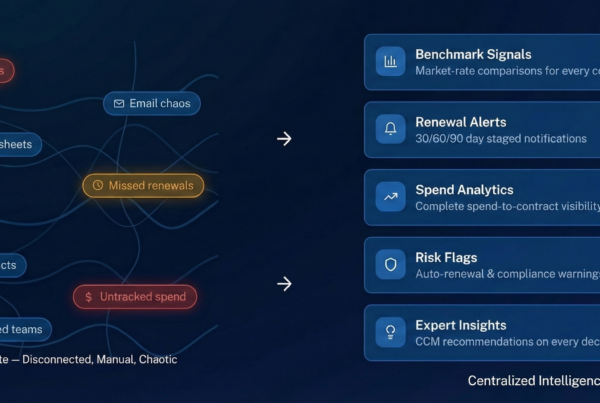
Most M&A diligence looks at vendors through three disconnected lenses. What no one owns is the relationship between those three.
What Best-in-Class Acquirers Do Differently
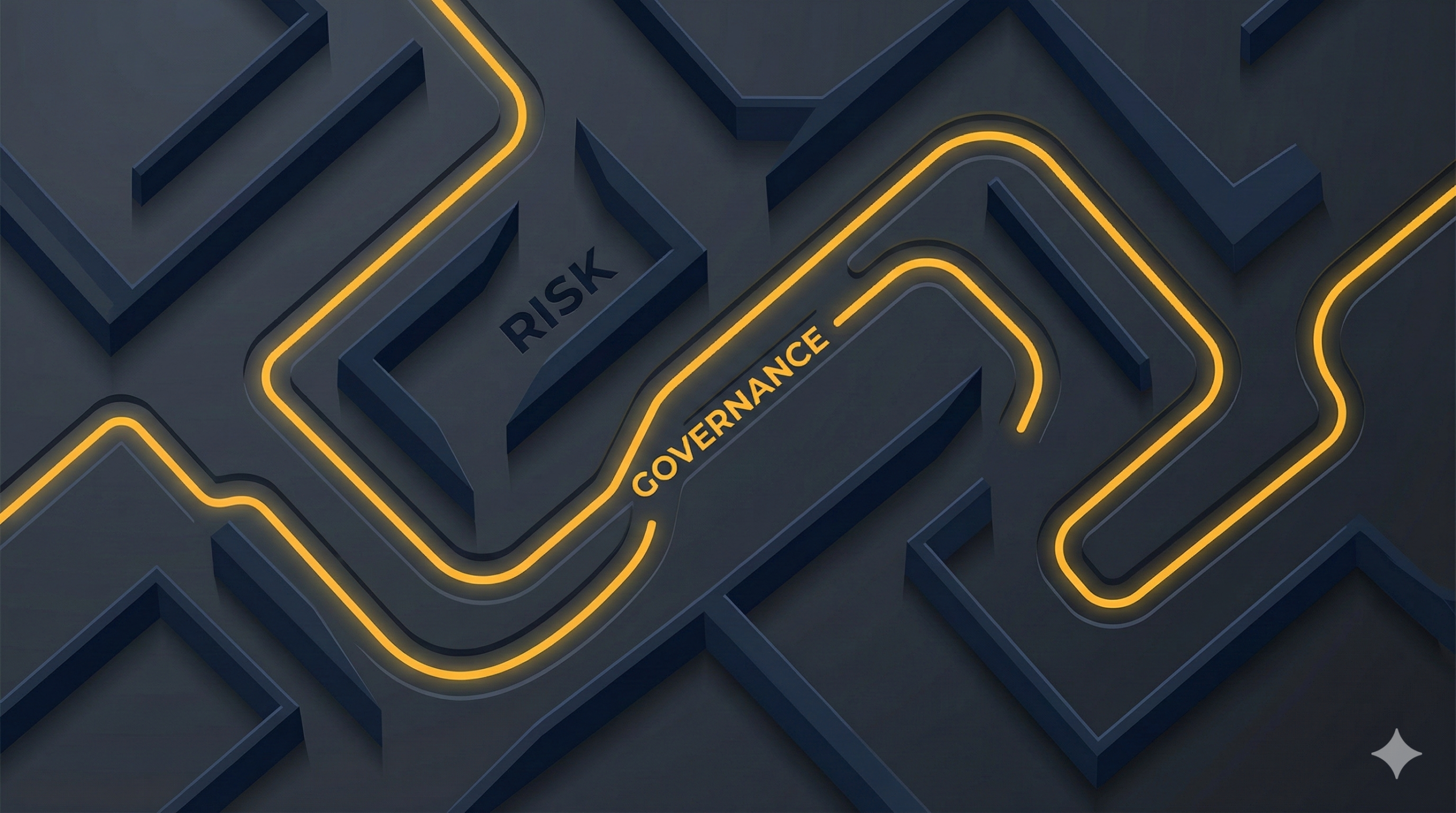
Sophisticated buyers treat vendor governance as a transaction-critical control system. The strongest programs combine four disciplines.
Map all contracts, spend, renewals, and utilization into one system pre-close.
Reconcile what is being paid against what is covered to find leakage.
Actively plan who should be renegotiated and when.
Ensure vendors do not lock in terms early or negotiate outside of strategy.
Synergy & Optimization Calculator
The Pre-Merger Process Most Teams Skip
The biggest mistake companies make is waiting until after close to engage vendors. High-performing deal teams run a controlled process before the transaction closes.
Every material contract is reviewed to identify notice requirements, consent rights, and pricing resets. This establishes where the buyer has risk and where it has leverage.
The combined vendor ecosystem is mapped by function so overlaps and concentration risk are visible. This is where duplicate platforms and shadow spend are exposed.
Vendors are segmented by leverage (who can reprice) and fit (who should survive). High risk/low fit vendors become priority targets.
Notices are issued only when contractually required. This prevents vendors from using the transaction to reset pricing or lock in unfavorable terms.
Before the first vendor is contacted, the acquirer has a roadmap determining which contracts get terminated, consolidated, or renegotiated.